Strong. Resilient. Ready.


Supporting Police, Fire, and EMS Through Structured Human Performance Systems
Tactical Readiness Architecture
First responders operate under continuous physical and psychological stress without an offseason or predictable recovery cycle. Over time, that reality can erode performance, shorten careers, and impact long-term health.
FrontLine Human Performance, in partnership with CoachMePlus, helps departments build Tactical Readiness Architecture; integrated systems designed to support strength, recovery, nutrition, and readiness over the long term.
This approach combines expert human performance guidance with consistent structure and data visibility, creating a framework that supports people across every shift, every station, and every stage of their career.
The goal is simple: Improve operational readiness, reduce preventable injuries, and help first responders stay strong, resilient, and effective throughout their careers and beyond.
We work directly with departments to design practical, sustainable readiness systems that fit the realities of the job.
We are a strategic partner committed to building systems that protect the people who protect our communities.
The FrontLine Difference
Readiness is a system; not a workout
We focus on long term operational readiness, not short term fitness initiatives.Expert Guidance. Consistent Structure. Built for the realities of the job.
Built for the realities of first responder work.
No offseason; No predictable recovery cycles; Support must be continuous.Human Performance Expertise with real-world context.
Elite performance principles adapted specifically for tactical professions.Structure that makes support consistent.
Guidance and accountability that extend across shifts, schedules, and stations.Focused on career longevity-not short term performance.
The goal is to help first responders stay strong, resilient, and healthy throughout their careers and beyond.Strategic Partner, not a service vendor.
We work alongside departments to build sustainable readiness systems that last.Data-informed decision making.
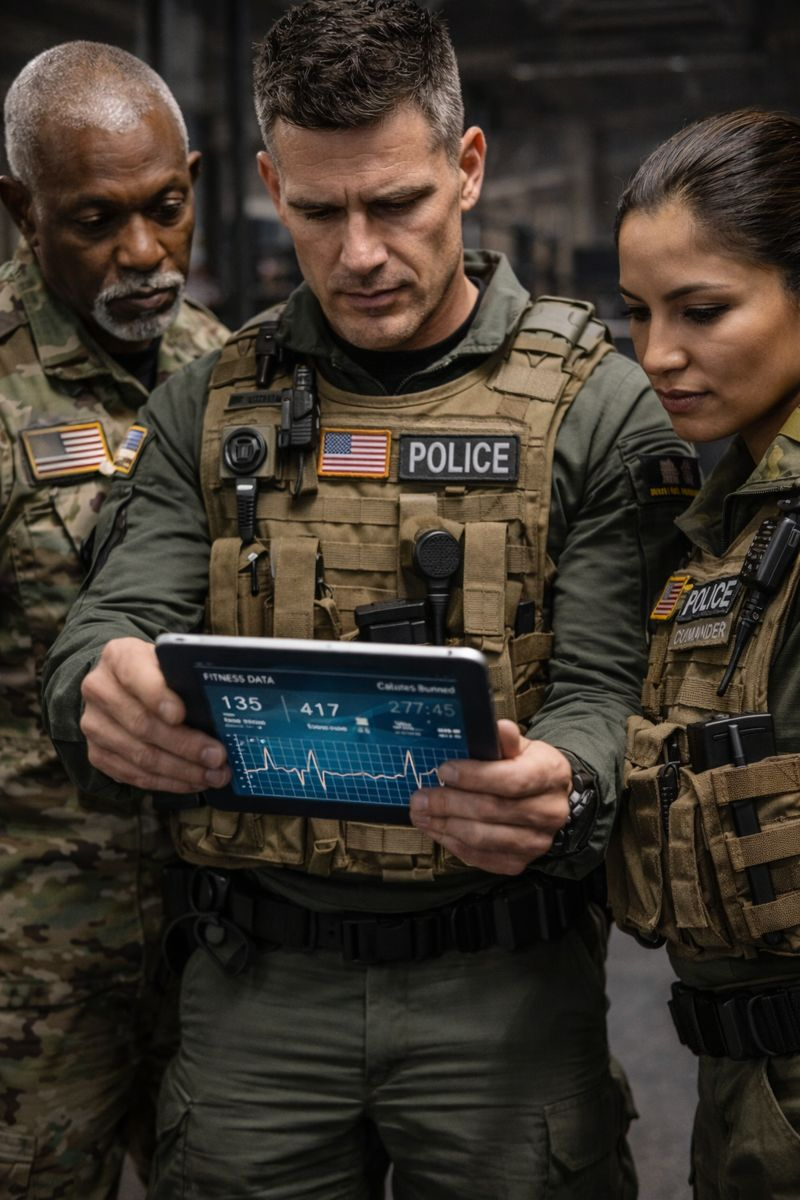
Training, recovery, sleep, and injury trends are tracked to guide smarter choices over time.Readiness, Health, and Organizational Impact
Operational Readiness
Improved physical preparedness for real-world job demands
Greater resilience during high-stress and high-fatigue calls
Stronger strength, conditioning, and movement quality
Enhanced decision-making and performance under pressure
Health & Injury Reduction
Fewer preventable musculoskeletal injuries
Earlier identification of overuse and readiness risk
Improved recovery and sleep quality
Reduced chronic pain and burnout
Leadership & Organization
Objective readiness and wellness data for command staff
Structured, defensible wellness programming
Increased participation through accountability and tracking
Reduced lost-time injuries and workers’ compensation costs
Culture & Retention
Shift from “fitness initiative” to performance culture
Stronger peer engagement and leadership involvement
Consistent standards across shifts and units
Long-term focus on career sustainability
Long-Term Impact
Extended operational careers
Healthier retirements
Improved morale and confidence
Stronger, more resilient departments
Risk & Cost Exposure
Reduced lost-time injuries and workers’ compensation claims
Lower overtime and replacement staffing burden
Improved return-to-work timelines
More defensible wellness programming for municipalities
Long-term healthcare cost moderation